Message Us
 Call Us
 What Is the Safest Seating Position in a Car During a Crash?
By Anderson, Cummings & Drawhorn, LLP on November 12, 2025
By Anderson, Cummings & Drawhorn, LLP on November 12, 2025
The safest seat in a car for children under 13 is the back seat, especially the rear middle seat, because it’s farthest from airbags and impact zones. For every passenger, using proper restraints consistently makes the back seat safer in crashes. That single decision can mean the difference between a close call and a serious injury. Whether you’re driving across Fort Worth or heading just a few miles down the road, understanding vehicle safety positioning helps protect everyone inside.
Table of Contents
At Anderson, Cummings & Drawhorn, LLP, we’ve seen how small precautions can save lives after severe car accidents. Our Texas legal team stands ready to help families recover physically, financially, and emotionally when someone’s negligence causes harm.
No Fees Unless We Win
When it comes to car accident safety, the back seat offers the most protection for young passengers. It keeps children away from dashboards, airbags, and windows, three major injury points in a collision. According to the Texas Department of Transportation (TxDOT), every child must ride in an age-appropriate car or booster seat designed for their height and weight. That step dramatically reduces injury risk and increases survival odds in high-impact crashes.
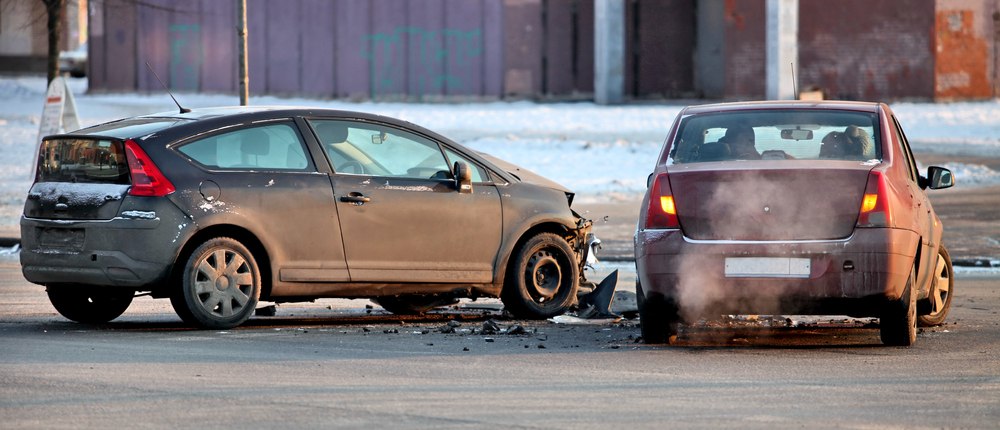
Airbags deploy with explosive force, which is helpful for adults but dangerous for children. When an airbag expands, a child seated up front faces a high risk of head, neck, and chest injuries. Keeping kids in the back avoids that danger and allows restraints to function as intended.
TxDOT’s recommendations outline three stages:
Following these guidelines keeps a child’s restraint system aligned with their size and development, which matters more than age alone.
Texas law takes child passenger safety seriously. The Texas Department of Transportation states that children younger than eight years old, unless taller than four feet nine inches, must ride in a federally approved safety seat whenever they’re in a vehicle. Once they outgrow boosters, they must always use a standard seat belt.
Children under eight lack the physical maturity for adult seat belts. A proper child safety seat spreads crash forces over stronger body parts, the shoulders, chest, and hips, rather than the abdomen.
A booster seat helps the belt fit correctly. Without one, the shoulder strap may slide toward the neck or face, increasing injury risk. A booster lifts the child so the belt aligns naturally with the chest and thighs.
Parents should check each ride for the “three-point rule”:
A proper fit keeps the belt in place during sudden stops or impacts and prevents avoidable injuries.
Crash research shows the back middle seat provides the safest seat in a car for children and adults alike. Its centered position gives passengers maximum distance from both side impacts and hard surfaces, creating a natural safety buffer.
Side collisions transfer force through doors and windows. The middle seat positions passengers several inches farther away, reducing exposure to that zone. Less direct force often means fewer head, neck, and torso injuries, especially for smaller passengers.
Because it’s insulated from most direct crash points, the back middle seat offers balance and stability that outer seats can’t match. Combined with proper restraints, this seat provides the best odds of minimizing serious injury. At the end of the day, the safest seat in a car is the one that keeps you furthest from danger and properly buckled for every mile.
Knowing the safest seat in a car can make a real difference, but recovery after a crash requires the proper support. At Anderson, Cummings & Drawhorn, LLP, we stand up for Texans injured in collisions, helping them rebuild with clarity and strength. If you or your child were hurt in a car accident, our team can review your case, explain your rights, and fight for fair compensation. Call us at (817) 920-9000 to schedule a free consultation today.
As a Fort Worth native and a double-Board Certified trial lawyer, John Cummings is dedicated to fighting for the rights of the injured. With a track record that includes record-setting verdicts and multi-million dollar settlements, he is an aggressive advocate who isn’t afraid to take on tough cases.


This page has been written, edited, and reviewed by a team of legal writers following our comprehensive guidelines. This page was approved by attorney Seth Anderson, whose team has more than 50 years of combined legal experience in helping victims of personal injury seek justice.

After a Fort Worth oilfield accident, you may be able to sue the contractor, the operator, or another company. Still, liability depends on who controlled the work, who created the dangerous condition, and whose conduct caused your injury. At Anderson, Cummings & Drawhorn, we know how complex oilfield accidents can...
Read Article
Grocery store slip and fall accidents are more serious than people think because they can cause serious injuries that may seem negligible at first. A sudden fall onto a hard floor can damage your head, spine, hips, joints, and other parts of your body, even when the fall initially looks...
Read Article
Multi-vehicle highway accidents in Fort Worth can cause serious injuries such as traumatic brain injuries, broken bones, spinal injuries, internal injuries, and severe soft tissue damage. You can be struck more than once as vehicles collide, increasing the force placed on the body. These crashes can occur on major highways...
Read ArticleTell us about your accident and your injuries. An injury lawyer from our team will call and provide you with a free evaluation of your case. If we can help, and you are unable to travel, we will come to your home, office, or hospital. It’s easy – let’s get started.

Email us anytime and we will get back to you.

Our attorneys will come to your home, office or hospital at your convenience.

Our team is ready and waiting to help you today.
 Call Us At (817) 920-9000