Message Us
 Call Us
 Are Self-Driving Cars Safe? Understanding Risks, Benefits, and Regulations
By Anderson, Cummings & Drawhorn, LLP on March 25, 2026
By Anderson, Cummings & Drawhorn, LLP on March 25, 2026
Traffic across Dallas continues evolving as advanced vehicles merge onto I-35E, U.S. 75, and the Dallas North Tollway. Concern about whether are self-driving cars safe often surfaces after reports describe crashes involving automated systems. At Anderson, Cummings & Drawhorn, LLP, we track how emerging vehicle technology intersects with Texas car accident law and liability standards. Automated driving systems aim to reduce collisions tied to distraction, fatigue, and impairment. Yet new risks arise from software failures, cyber vulnerabilities, and difficulty navigating complex traffic patterns common across North Texas.
Table of Contents
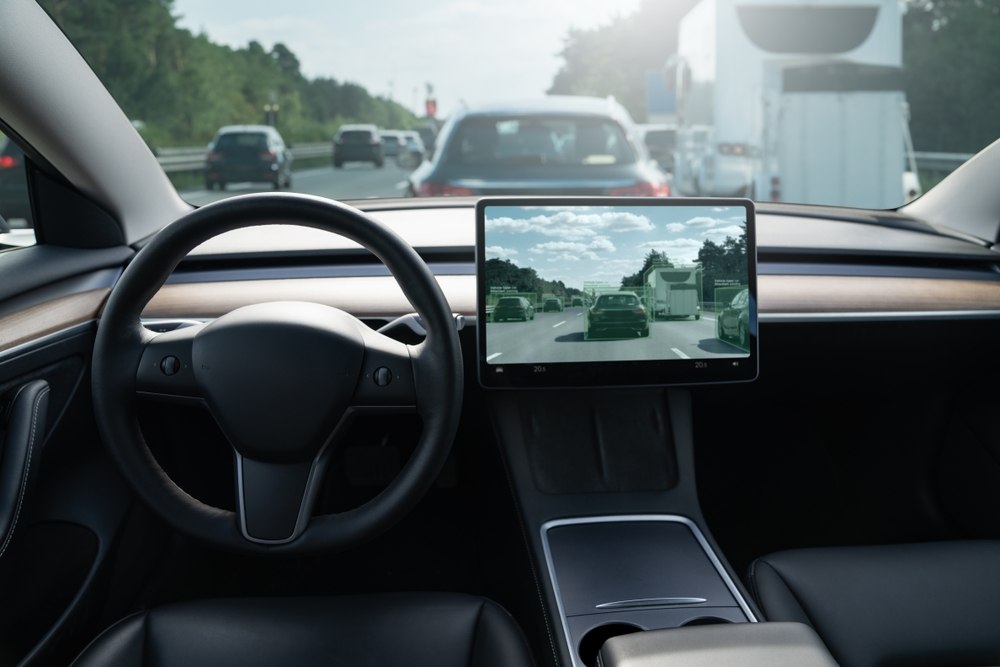
Self-driving vehicles rely on integrated sensors and advanced software. Cameras, radar, lidar, and onboard processors collect data about lanes, traffic signals, nearby vehicles, and pedestrians. Algorithms interpret that information and adjust steering, braking, and speed.
Most vehicles sold in Texas include advanced driver assistance systems (ADAS). These features support drivers with lane-keeping, adaptive cruise control, and automatic emergency braking. Human supervision remains required.
Higher automation allows limited self-operation in defined areas. The Congressional Research Service reported industry reviews of nearly seven million miles driven by highly automated vehicles showed an 85 percent reduction in injury crashes and a 57 percent drop in police-reported collisions. Even so, testing often occurs under controlled conditions.
Dallas traffic presents added challenges. Construction zones, congestion, sudden lane shifts, and severe weather can reduce sensor accuracy and strain automated systems.
Manufacturers highlight safety tools intended to reduce car accident injuries. Automatic emergency braking can react faster to imminent impacts. Forward collision warnings alert drivers before crashes occur. Blind spot monitoring supports safer lane changes.
Automation targets common human errors such as distraction, fatigue, and impairment, factors that contribute to many Dallas collisions. Under stable conditions, driver assistance systems often reduce rear-end and lane departure crashes.
Technology, however, introduces risk. Hardware malfunctions, coding errors, or cybersecurity threats may interfere with system performance. Public confidence depends on ongoing testing, transparent safety reporting, and regulatory oversight.
No Fees Unless We Win
Automated vehicles continue to appear in Dallas crash investigations. Most incidents involve a combination of driver behavior and technological limits.
Texas permits testing and operation of automated vehicles under state transportation law, provided vehicles comply with federal safety standards and carry required insurance coverage. Regulatory frameworks continue to develop as technology advances.
Federal oversight agencies collect crash reports and evaluate safety performance. Reporting obligations encourage manufacturers to disclose incidents and address hazards through software updates or recalls. Ethical development practices and cybersecurity standards aim to reduce preventable harm.
When a collision occurs in Dallas, traditional negligence principles still govern liability. Investigators examine driver behavior, system engagement data, maintenance history, and manufacturer communications. Texas follows a modified comparative fault rule. An injured person may recover damages if fault does not exceed fifty percent, though compensation decreases according to assigned responsibility.
No Fees Unless We Win
The central question remains: are self-driving cars safe compared with human drivers? Research suggests automated systems reduce certain collision types, particularly rear-end crashes linked to distraction. Industry testing reports lower injury rates under controlled conditions.
Human drivers, however, adapt quickly to unusual events. Construction debris, sudden pedestrian crossings, or erratic motorists demand flexible judgment. Automated programs continue to improve but still encounter difficulty during severe weather or rapidly changing traffic conditions.
Current evidence shows measurable progress but not flawless performance. Safety outcomes depend on system design, responsible driver supervision, and effective regulation.
Collisions involving automated vehicles raise complex questions about negligence, product liability, and comparative fault under Texas law. Anderson, Cummings & Drawhorn, LLP provides practical guidance grounded in Texas statutes and courtroom experience. Call us at (817) 920-9000 to discuss how our team of Dallas car accident lawyers handle cases involving self-driving systems and serious vehicle collisions.
As a Fort Worth native and a double-Board Certified trial lawyer, John Cummings is dedicated to fighting for the rights of the injured. With a track record that includes record-setting verdicts and multi-million dollar settlements, he is an aggressive advocate who isn’t afraid to take on tough cases.


This page has been written, edited, and reviewed by a team of legal writers following our comprehensive guidelines. This page was approved by attorney Seth Anderson, whose team has more than 50 years of combined legal experience in helping victims of personal injury seek justice.

After a Fort Worth oilfield accident, you may be able to sue the contractor, the operator, or another company. Still, liability depends on who controlled the work, who created the dangerous condition, and whose conduct caused your injury. At Anderson, Cummings & Drawhorn, we know how complex oilfield accidents can...
Read Article
Grocery store slip and fall accidents are more serious than people think because they can cause serious injuries that may seem negligible at first. A sudden fall onto a hard floor can damage your head, spine, hips, joints, and other parts of your body, even when the fall initially looks...
Read Article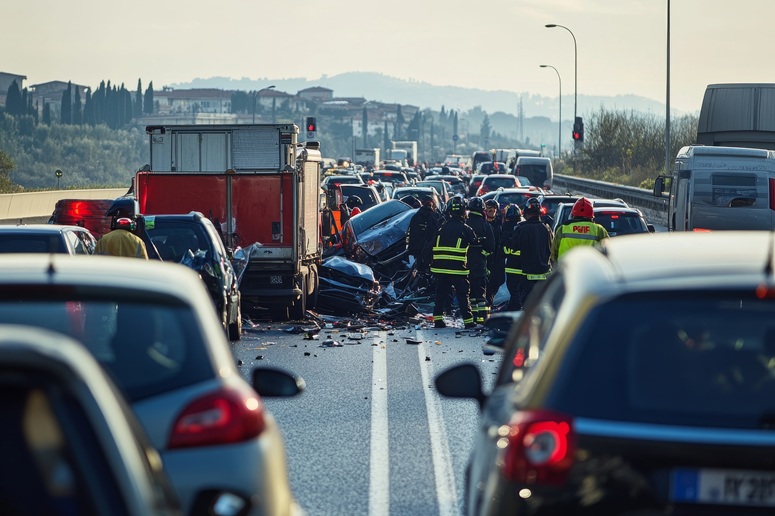
Multi-vehicle highway accidents in Fort Worth can cause serious injuries such as traumatic brain injuries, broken bones, spinal injuries, internal injuries, and severe soft tissue damage. You can be struck more than once as vehicles collide, increasing the force placed on the body. These crashes can occur on major highways...
Read ArticleTell us about your accident and your injuries. An injury lawyer from our team will call and provide you with a free evaluation of your case. If we can help, and you are unable to travel, we will come to your home, office, or hospital. It’s easy – let’s get started.

Email us anytime and we will get back to you.

Our attorneys will come to your home, office or hospital at your convenience.

Our team is ready and waiting to help you today.
 Call Us At (817) 920-9000