





Each year, countless drivers in Arlington are suddenly thrust into the chaos that follows a car accident, often through no fault of their own. What begins as an ordinary drive can result in devastating consequences: totaled vehicles, serious injuries, mounting medical expenses, and the disruption of everyday life. When someone else’s carelessness causes the collision, victims deserve more than just sympathy they deserve answers, accountability, and a clear path toward recovery.
This is where the guidance of an experienced Arlington car accident lawyer becomes essential. At Anderson, Cummings & Drawhorn, LLP, we stand with injured Texans from day one. Our team is dedicated to lifting the burden of legal and financial uncertainty off your shoulders. We focus on securing the compensation you deserve and protecting your rights at every stage so you can focus on healing and rebuilding your life confidently.
Don’t face big insurance companies alone. Our award-winning lawyers have recovered millions for clients just like you. We’re ready to put our 50+ years of combined experience to work, fighting for the compensation you deserve.
Client Reviews


"Outstanding results! I cannot thank Anderson, Cummings & Drawhorn, LLP enough for their incredible work on my case after my vehicle accident. From day one, they were professional, communicative, and aggressive in fighting for me. They didn’t just settle for the first offer—they pushed hard to make sure I got the absolute maximum payout possible to cover my vehicle and injuries. If you want a lawyer who actually delivers and gets you the compensation you deserve, look no further. Highly recommended!"
"I had such an amazing experience with this law firm! Adam Drawhorn took the time to explain all the options available to me and made sure that I understood each step of the process. And boy is he is creative! My case was an unusual one, and he relentlessly pursued it over the long haul. I'm so happy he took my case and I would absolutely recommend him to anyone needing an ace up their sleeve!"
"Adam is approachable and down to earth; he will give it to you straight. He’s truly invested in his clients’ wellbeing and looks out for their best interests. I don’t hesitate to recommend him, especially for car wrecks and dog bites."
"Mr. Anderson as well as his entire staff handled every aspect of my case with professionalism and efficiency. They were very communicative throughout the entire process. I would highly recommend him to anyone in need of a great personal injury attorney. He fought hard to get me every dollar that I deserved."
"My wife and I were in a serious accident and she sustained serious injuries. John was recommended by a co-worker. I have never had to deal with injuries due to a car wreck and the negligence of someone else so I was in unfamiliar territory. John was very understanding and patient and took the time to meet with us anytime we had questions and Mrs. Alvarez was on top of everything and very professional. I hope and pray we never have to go through this again but if we do John will be my first call."
"I had a complicated case involving a serious on the job injury. This firm worked hard to make sure I was compensated for my injuries. They communicated consistently with me and treated me well. Grateful to have been able to work with them and have them represent me."
"I highly recommend Anderson, Cummings & Drawhorn, LLP. Unfortunately, I experienced a car accident and Anderson, Cummings & Drawhorn, LLP stepped in and handled everything. They did a fantastic job. I worked a lot with Ms. Alvarez and she was incredibly professional and helpful."
"Anderson Cummings did a wonderful job representing me after a terrible car multi-car wreck with an underinsured motorist at fault. John Cummings was very knowledgeable, professional, conscientious, detail oriented, and empathetic to what I had gone through and helped me navigate a situation that I had no experience with. Ms. Alvarez also worked with me and was very helpful with my questions and communication. I would highly recommend their practice for your legal needs."
"John Cummings and Stacy were amazing handling my personal injury case. Every interaction was friendly, professional and personalized. They kept me informed throughout the process and took the stress off me. Highly recommend!!"
"Amazing team. After my car wreck, I was stressed, hurting, and worried about how I was going to handle everything. John and Stacy stepped in and truly took the burden off of me. They handled my case efficiently, explained everything in plain English, and always made me feel like I was in good hands. Thanks to their hard work, I received a very good settlement and could finally breathe again. I’m so thankful for their compassion and their expertise. Five stars without hesitation."
View More Reviews on Google Maps.
A skilled car accident attorney in Arlington, Texas, provides much more than legal advice. They become a critical advocate during one of the most challenging periods of your life. After a collision, victims are often overwhelmed by medical appointments, vehicle repairs, time off work, and a flood of calls from insurance adjusters. Navigating these obstacles while trying to recover physically and emotionally can be exhausting.
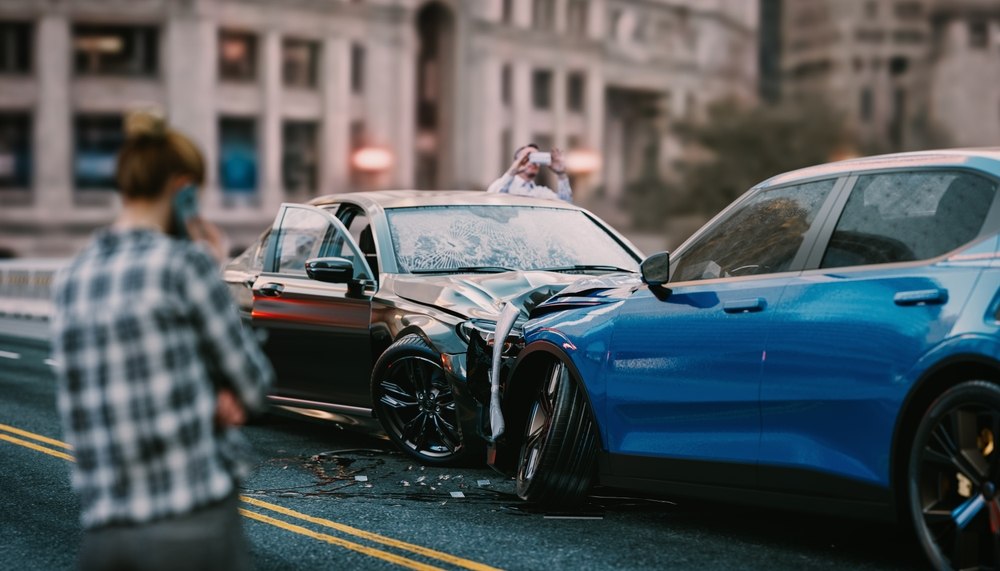
An experienced personal injury attorney in Arlington works on your behalf to reduce that burden. They help you understand your rights under Texas law, manage all communication with insurance companies, and prevent you from being taken advantage of during settlement negotiations. In addition to handling paperwork and deadlines, they conduct a thorough investigation of the crash, gather essential evidence such as police reports, medical records, and witness statements, and build a compelling case designed to maximize your compensation. If insurers deny liability or offer lowball settlements, your attorney will be prepared to take your case to court and fight for the full and fair recovery you deserve.
Drivers in Texas face various challenges, many of which stem from avoidable behaviors. According to DriveSafe Online, some of the most common driving mistakes in Texas include:
Various types of accidents occur on Arlington roads, each with its own risk of injury and property damage:
No Fees Unless We Win
Determining liability is one of the most complex parts of any car accident claim in Texas. According to the Texas Civil Practice and Remedies Code – Section 33.003, Texas follows a modified comparative fault system. Here’s what that means:


When a large corporation or insurance company says ‘no,’ we see it as the beginning of a conversation, not the end. We will not be intimidated, and we will not rest until we have exhausted every avenue to secure the compensation you’re owed.
Knowing what steps to take immediately after a crash can protect your health, preserve your legal rights, and improve the outcome of any insurance or legal claims. The aftermath of an accident is often chaotic and stressful, but taking explicit, decisive action can make a significant difference in your recovery and financial future. According to the Texas Department of Transportation, here’s what you should do:
Car accident victims in Texas may be eligible to recover compensation for a wide range of financial and personal losses. The goal of compensation, also known as “damages”, is to make the injured party whole again or as close to their pre-accident condition as possible. These damages fall into two main categories: economic damages, which have a clear dollar value, and non-economic damages, which account for more subjective harm. In cases involving incredibly reckless or malicious behavior, punitive damages may also be awarded as a form of punishment and deterrence.
The specific amount and type of compensation you may receive will depend on the facts of your case, the severity of your injuries, the strength of supporting evidence, and how the accident has impacted your daily life, work, and long-term health.
Property damage compensation goes beyond basic vehicle repairs. It includes the cost to restore your vehicle to its pre-accident condition or replace it entirely if it is declared a total loss. This also applies to damage to personal items inside your car during the crash, such as smartphones, laptops, prescription glasses, and children’s car seats, which often must be replaced after a collision, even if they appear intact. If the crash involved extensive damage to surrounding property, such as fences, mailboxes, or landscaping, those losses may also be compensable. Supporting this type of claim requires organized documentation, including photos of the damage, detailed repair estimates, towing and rental car receipts, and proof of ownership for affected items.
Medical costs are often the most significant and immediate concern following an accident. Injured victims may face a cascade of expenses, beginning with emergency room treatment and continuing through diagnostic imaging, surgeries, specialist consultations, physical therapy, and pain management. Compensation can also account for long-term treatment plans such as in-home care, adaptive medical equipment, and modifications to accommodate disabilities. Importantly, medical damages can include both current bills and anticipated future costs, especially when the injury is ongoing or permanent. Thorough medical records, itemized billing, and physician evaluations all play an essential role in substantiating these claims.
When injuries prevent you from working, the financial stress can compound quickly. Lost income compensation covers the wages or salary you would have earned if not for the accident-related injuries. In more serious cases, this also includes future lost earning capacity, particularly if your injuries impact your ability to return to your previous job or require you to take a lower-paying position. Freelancers, contractors, and self-employed individuals may face more complex calculations, which often require assistance from financial or vocational experts. Documentation such as prior tax returns, bank statements, and employer letters are key to validating these losses.
Pain and suffering damages acknowledge the non-financial toll an accident can take on your quality of life. This category of compensation may include physical pain, chronic discomfort, anxiety, depression, emotional distress, and the inability to engage in daily activities, hobbies, or relationships as you once did. When injuries result in long-term consequences such as disfigurement, loss of mobility, or PTSD—the value of these damages often increases significantly. While more subjective than medical bills or property damage, pain and suffering can be supported through consistent medical records, mental health evaluations, personal journals, and statements from close friends or family members.
Punitive damages are rare but powerful. Unlike other forms of compensation, which aim to reimburse the victim, punitive damages are meant to punish the wrongdoer and serve as a deterrent to others. In Texas, these damages are typically only awarded when the defendant’s conduct was especially egregious, such as driving under the influence, engaging in street racing, or knowingly operating a dangerous vehicle. Courts consider the severity of the misconduct, the harm it caused, and whether the defendant showed any remorse. Though not applicable in every case, when awarded, punitive damages can significantly increase the total compensation and send a strong message about accountability.
Don’t face big insurance companies alone. Our award-winning lawyers have recovered over $100 million for clients just like you. We’re ready to put our 50+ years of combined experience to work, fighting for the compensation you deserve.
Texas follows a fault-based system for auto insurance claims. This means that the driver who causes a crash is generally responsible for the resulting damages. Victims of accidents can pursue compensation by filing a claim directly with the at-fault driver’s insurance company, using their insurance if applicable, or filing a personal injury lawsuit.
Texas law requires all drivers to maintain liability insurance to cover the costs associated with accidents they cause. While minimum coverage levels are mandated, drivers are encouraged to consider additional protection, such as uninsured/underinsured motorist coverage and personal injury protection (PIP), which can provide valuable support when the at-fault party has insufficient coverage or in hit-and-run cases.
According to the Texas Department of Insurance, carrying adequate auto insurance is essential for legal compliance and financial protection. Understanding how these insurance rules apply after a crash can help you recover the compensation you’re entitled to under the law.
Texas roads continue to pose serious dangers to drivers, passengers, and pedestrians alike. According to the National Highway Traffic Safety Administration’s 2023 Early Estimate Report, the state reported 4,283 motor vehicle fatalities in 2023, making it one of the highest in the nation. Although this marked a 2.81% decline from the previous year, the number remains alarming. The fatality rate per 100 million vehicle miles traveled dropped by 4.10%, indicating incremental progress in traffic safety efforts, but far from enough to declare the roads safe.
The same report highlights that approximately 15,256 crashes in Texas resulted in severe injuries and nearly 19,000 individuals were injured in a manner that forever altered their lives. These facts highlight the immediacy of a need for constant awareness, safer driving skills, and proper legal representation for victims and their families. With such a large number of horrific accidents, legal representation is a crucial aspect that allows victims to recover physically, emotionally, as well as financially.
$842,500 Car Wreck Settlement
A mid-30s father was involved in a rear-end collision while using a ride-share service. He suffered a concussion and over the following weeks developed symptoms of a permanent neurological condition, which he was ultimately diagnosed with.
The other driver denied fault, claiming it was only a minor collision. Through our investigation, we were able to show the other driver never applied his brakes, hitting our client with significant force. Once we filed suit on the case, the insurance company claimed that our client’s neurological condition could not have been caused by the wreck. After deposing multiple doctors, we were able to show that the neurological condition can be caused by trauma. We were ultimately able to resolve the case for $842,500.
The aftermath of a crash can feel overwhelming, but you don’t have to face it alone. Backed by decades of experience and a strong record of results, Anderson, Cummings & Drawhorn, LLP stand ready to protect your rights and pursue the compensation you deserve. Call us at (817) 920-9000 for a free consultation today.
As a Fort Worth native and a double-Board Certified trial lawyer, John Cummings is dedicated to fighting for the rights of the injured. With a track record that includes record-setting verdicts and multi-million dollar settlements, he is an aggressive advocate who isn’t afraid to take on tough cases.

Yes, dash cam footage can be used in a car accident claim when recorded legally. Texas dash cam laws generally permit recording on public roadways, including those in Arlington. Video evidence may help show how a car accident occurred, clarify fault, or challenge conflicting accounts. Insurance carriers and courts typically review dash cam footage alongside police reports and witness statements when determining responsibility after a crash, particularly when witness memories conflict or fault remains disputed during insurance investigations.
Nausea after a car accident may signal an injury that needs medical attention, as concussions, whiplash, or inner ear trauma commonly cause nausea and dizziness after a crash. Symptoms may appear hours or days later, making medical documentation important to protect your health and support injury claims connected to the accident. Tell your provider when nausea started, how often it occurs, and whether you notice headaches, blurred vision, or trouble concentrating, since those details help guide care and explain the timeline.
Yes, you can still file a claim after a car accident even if you only carry liability insurance in Texas. This coverage pays for damage you cause, but it does not block recovery when another driver caused the crash. Claims often move forward against the at-fault driver’s insurance policy, and compensation may address medical costs, lost income, vehicle repairs, and other losses tied to the accident, depending on coverage, investigation findings, and how responsibility is ultimately determined under state law.
Eating while driving can contribute to liability if it distracts a driver and leads to a car accident. The issue of whether it is illegal to eat and drive in Texas often arises after a crash, even though state law does not specifically prohibit the behavior. Distracted driving may support negligence claims when eating interferes with safe vehicle operation, reaction time, or awareness, helping explain how careless actions contributed to the collision, according to the Texas Department of Transportation.
Liability for a T-bone accident in parking lot cases in Texas depends on right-of-way rules and driver conduct. Even on private property, drivers must yield appropriately and operate vehicles safely. Fault often involves failure to yield, inattention, or speeding within the parking area, making investigation important in these car accident cases, especially when conflicting accounts exist or visibility and traffic patterns affect who had the duty to yield, along with posted signage, vehicle positioning, and driver behavior before impact.

This page has been written, edited, and reviewed by a team of legal writers following our comprehensive guidelines. This page was approved by attorney Seth Anderson, whose team has more than 50 years of combined legal experience in helping victims of personal injury seek justice.
Tell us about your accident and your injuries. An injury lawyer from our team will call and provide you with a free evaluation of your case. If we can help, and you are unable to travel, we will come to your home, office, or hospital. It’s easy – let’s get started.

Email us anytime and we will get back to you.

Our attorneys will come to your home, office or hospital at your convenience.

Our team is ready and waiting to help you today.
 Message Us
 Call Us
  Call us at (817) 920-9000
  Call Us At (817) 920-9000