Message Us
 Call Us
 What Role do Police Have in Assessing Fault for a Car Crash?
By Anderson, Cummings & Drawhorn, LLP on August 28, 2020
By Anderson, Cummings & Drawhorn, LLP on August 28, 2020

If you or a loved one was involved in a car accident, the first thing you should do after ensuring everyone is safe is call the police by dialing 9-1-1. It is their duty to go to the accident scene, document the details and ensure the safety of everyone involved.
Table of Contents
The question some accident victims may have is: Can a police officer determine fault for a crash?
The short answer is: Not necessarily, however, the officer responding to the scene can influence the outcome of the claim, depending on the situation.
In most cases, having a licensed lawyer on your side could be a significant benefit after being involved in a car accident. The Fort Worth car crash lawyers at Anderson, Cummings & Drawhorn, LLP are available to discuss your claim in a no-cost consultation. We work on contingency – which means we do not bill you for our services unless we win compensation on your behalf.
Read on to learn more about a police officer’s role in determining fault in a car crash claim and how it may affect your situation.
The first thing a police officer should do after a car accident is check to see if all parties are safe from further harm. This could include contacting additional first responders such as paramedics, the fire department, utility workers or other police. The officer could also divert traffic away from the accident scene by placing cones or flares or by using hand signals to direct other drivers.
Next, the officer will start gathering the following information, which should appear on the accident report:
After the above information is documented the officer will then try to determine if any traffic citations should be given. He or she will speak with each party separately, including passengers and witnesses. The officer will record each statement and take note of the physical and mental state of each person.
The officer will also document where the vehicles seem to have collided, such as a T-bone, sideswipe or head-on collision. He or she will also take notes and may take pictures of the damages to each vehicle.
In some instances the responding officer may be asked to provide a deposition. This is when attorneys from both sides can question the officer about the accident under oath.
This process is used to determine whether the officer will be asked to testify as a witness if your case should end up going to trial. Their perspective could help clarify something on the police report which could benefit your claim.
Even if no one appears to be seriously injured, it is important to notify the police immediately after a car accident.
Although a police officer may not be able to determine who is at fault for an accident, if you do not notify them, your chances of recovering compensation from the insurance company could be diminished significantly. Insurance adjusters may try to say your injuries were caused by something other than the accident. Insurance policies often require a police report before the policyholder can receive compensation for a car crash claim.
There are many ways our lawyers can help with a car crash claim, including obtaining a police report on your behalf. If we determine your claim to be viable, we can also interview witnesses, help gather evidence, such as video footage and medical reports, and negotiate with insurance companies to pursue the compensation you need for a healthy recovery.
The experienced lawyers at Anderson, Cummings & Drawhorn, LLP have a history of success. See what our clients have to say about our services on our testimonials page. Our focus is protecting the rights of injury victims in Texas by holding at-fault parties accountable for damages sustained.
There are no upfront charges to discuss whether you qualify for compensation. We only receive payment if we secure funds for your claim.
Call Anderson, Cummings & Drawhorn, LLP today at (817) 920-9000 to set up your free consultation.

This page has been written, edited, and reviewed by a team of legal writers following our comprehensive guidelines. This page was approved by attorney Seth Anderson, whose team has more than 50 years of combined legal experience in helping victims of personal injury seek justice.

After a Fort Worth oilfield accident, you may be able to sue the contractor, the operator, or another company. Still, liability depends on who controlled the work, who created the dangerous condition, and whose conduct caused your injury. At Anderson, Cummings & Drawhorn, we know how complex oilfield accidents can...
Read Article
Grocery store slip and fall accidents are more serious than people think because they can cause serious injuries that may seem negligible at first. A sudden fall onto a hard floor can damage your head, spine, hips, joints, and other parts of your body, even when the fall initially looks...
Read Article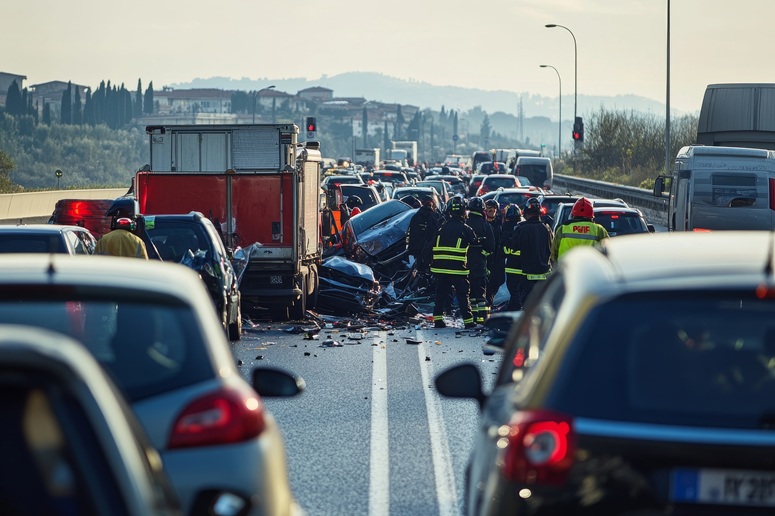
Multi-vehicle highway accidents in Fort Worth can cause serious injuries such as traumatic brain injuries, broken bones, spinal injuries, internal injuries, and severe soft tissue damage. You can be struck more than once as vehicles collide, increasing the force placed on the body. These crashes can occur on major highways...
Read ArticleTell us about your accident and your injuries. An injury lawyer from our team will call and provide you with a free evaluation of your case. If we can help, and you are unable to travel, we will come to your home, office, or hospital. It’s easy – let’s get started.

Email us anytime and we will get back to you.

Our attorneys will come to your home, office or hospital at your convenience.

Our team is ready and waiting to help you today.