Message Us
 Call Us
 Police Car Crash: How to Protect Your Rights and Seek Compensation
By Anderson, Cummings & Drawhorn, LLP on December 19, 2025
By Anderson, Cummings & Drawhorn, LLP on December 19, 2025
A collision involving a police cruiser in Fort Worth creates unique challenges for injured drivers and passengers. Even trained officers can speed, misjudge distance, or become distracted, which increases the risk of severe harm during a police car accident. Our team at Anderson, Cummings & Drawhorn, LLP understands how overwhelming these crashes can be because government agencies often benefit from sovereign immunity. Texas law limits lawsuits against public entities, although important exceptions allow injured individuals to pursue compensation when officers act negligently. Protecting your rights begins with safety, evidence preservation, and careful communication.
Table of Contents
No Fees Unless We Win
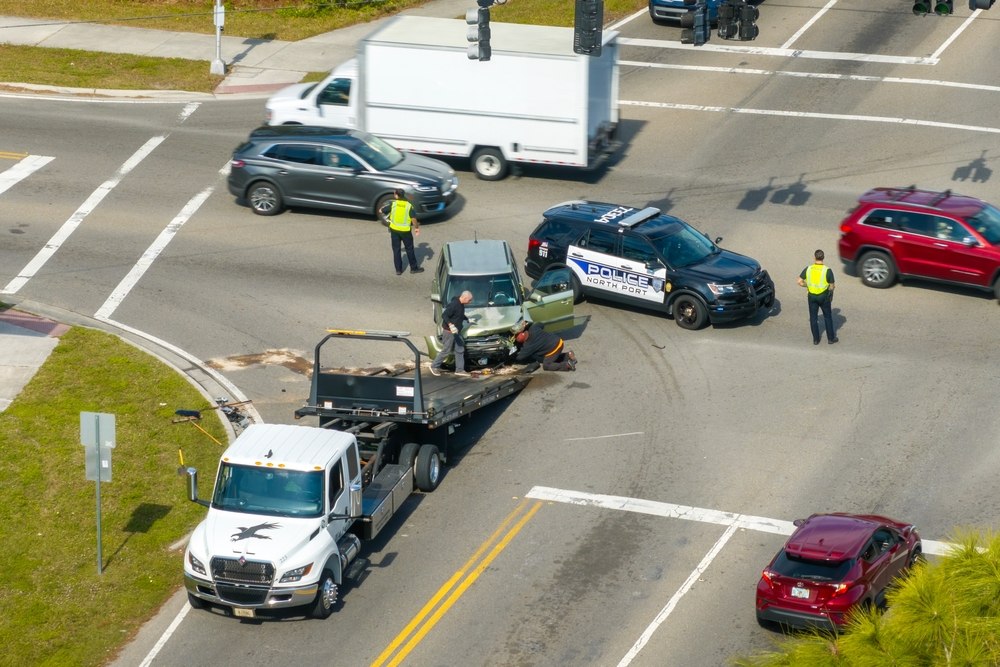
Accident response guidance from the Texas Department of Insurance outlines several important steps motorists should follow:
These actions build a foundation for a strong claim, especially when a government agency becomes involved.
Many people unintentionally weaken their claims during the first few hours after a crash. Careful wording and thoughtful choices limit risk when governmental agencies become involved. Avoid apologizing, speculating about causes, or engaging in lengthy discussions about the collision at the scene. These statements often appear in later reports and create hurdles during negotiations.
Post-accident communication mistakes also cause unnecessary problems. Social media posts frequently surface in insurance investigations, and even brief comments about pain levels or damage descriptions invite misinterpretation. Written statements provided too early, before a complete medical assessment, often undersell injuries that later develop into more serious conditions. Delays in medical treatment create coverage challenges because insurers often argue the injuries stem from something unrelated. Prompt medical evaluation establishes a clear link between the crash and your physical condition. When a police officer contributed to the collision, these records become even more important due to the added layers of governmental review.
Strong evidence influences every stage of a police cruiser collision claim. Photographs, dash camera recordings, witness statements, and medical records establish what occurred and how the crash impacted your daily life. Evidence helps counter conflicting accounts, especially when the involved officer provides a narrative that differs from yours.
Texas claims involving public employees require proof that the officer acted negligently while performing job duties. Evidence, as defined by Cornell Law School, includes any information or documentation offered to show a fact’s likelihood. Examples include traffic camera footage, audio recordings, reconstruction reports, and damage analyses from certified repair specialists. Some drivers choose to preserve their vehicle in its post-crash state until experts complete inspections. Others seek statements from nearby businesses or residences that may have captured the event on surveillance systems. Thorough evidence collection increases leverage and supports the claim through every stage, from initial notice letters to potential litigation if negotiations fail.
No Fees Unless We Win
Police vehicle collisions involve legal rules not present in standard traffic claims. Texas governmental immunity restricts lawsuits against public entities, although the Texas Tort Claims Act allows recovery when an officer negligently operates a vehicle. These cases turn on strict notice requirements.
Under Section 101.101 of the Texas Civil Practice and Remedies Code, a governmental unit must receive notice within six months, and the notice must describe the injury or property damage, the time and place of the crash, and a summary of the incident. Actual notice can satisfy this rule, but missing the deadline often bars recovery from the claim.
An attorney experienced with Texas governmental claims evaluates officer conduct, prepares the required notice, preserves evidence, and helps injured motorists navigate immunity issues before critical deadlines expire.
A crash involving a police cruiser in Fort Worth often leaves injured drivers uncertain about the next step. Our attorneys at Anderson, Cummings & Drawhorn, LLP stand ready to protect your rights by handling governmental notice requirements, preserving evidence, and navigating the unique legal standards applicable to these collisions. We encourage anyone hurt in a police car crash to reach out at 817-920-9000 for guidance and support.
As a Fort Worth native and a double-Board Certified trial lawyer, John Cummings is dedicated to fighting for the rights of the injured. With a track record that includes record-setting verdicts and multi-million dollar settlements, he is an aggressive advocate who isn’t afraid to take on tough cases.


This page has been written, edited, and reviewed by a team of legal writers following our comprehensive guidelines. This page was approved by attorney Seth Anderson, whose team has more than 50 years of combined legal experience in helping victims of personal injury seek justice.

After a Fort Worth oilfield accident, you may be able to sue the contractor, the operator, or another company. Still, liability depends on who controlled the work, who created the dangerous condition, and whose conduct caused your injury. At Anderson, Cummings & Drawhorn, we know how complex oilfield accidents can...
Read Article
Grocery store slip and fall accidents are more serious than people think because they can cause serious injuries that may seem negligible at first. A sudden fall onto a hard floor can damage your head, spine, hips, joints, and other parts of your body, even when the fall initially looks...
Read Article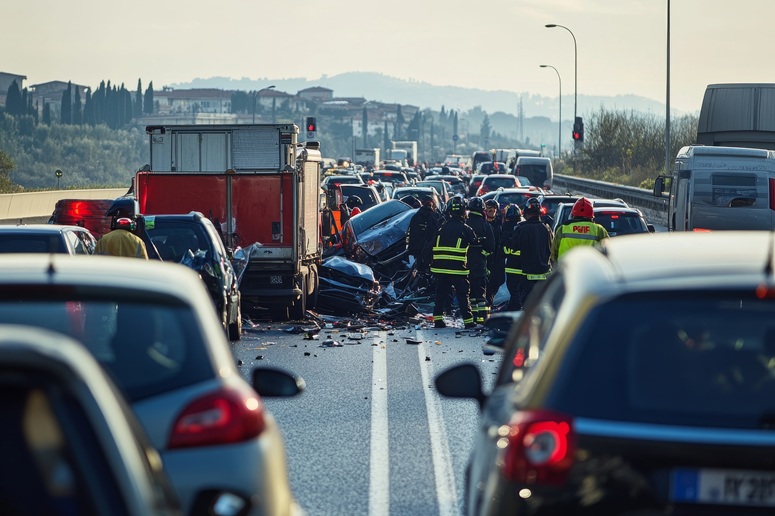
Multi-vehicle highway accidents in Fort Worth can cause serious injuries such as traumatic brain injuries, broken bones, spinal injuries, internal injuries, and severe soft tissue damage. You can be struck more than once as vehicles collide, increasing the force placed on the body. These crashes can occur on major highways...
Read ArticleTell us about your accident and your injuries. An injury lawyer from our team will call and provide you with a free evaluation of your case. If we can help, and you are unable to travel, we will come to your home, office, or hospital. It’s easy – let’s get started.

Email us anytime and we will get back to you.

Our attorneys will come to your home, office or hospital at your convenience.

Our team is ready and waiting to help you today.
 Call Us At (817) 920-9000