Message Us
 Call Us
 Key Points on Texas Leash Laws: What Every Dog Owner Should Know
By Anderson, Cummings & Drawhorn, LLP on December 03, 2025
By Anderson, Cummings & Drawhorn, LLP on December 03, 2025
Texas dog owners often wonder, “Are there leash laws in Texas?” Understanding local rules and penalties is essential to keeping both people and pets safe. At Anderson, Cummings & Drawhorn, LLP, our injury lawyers have seen how quickly an off-leash moment can lead to a serious dog bite or costly legal claim. Because leash laws vary from city to city, knowing how Texas handles leash control helps prevent accidents and ensures owners meet their local responsibilities.
Table of Contents
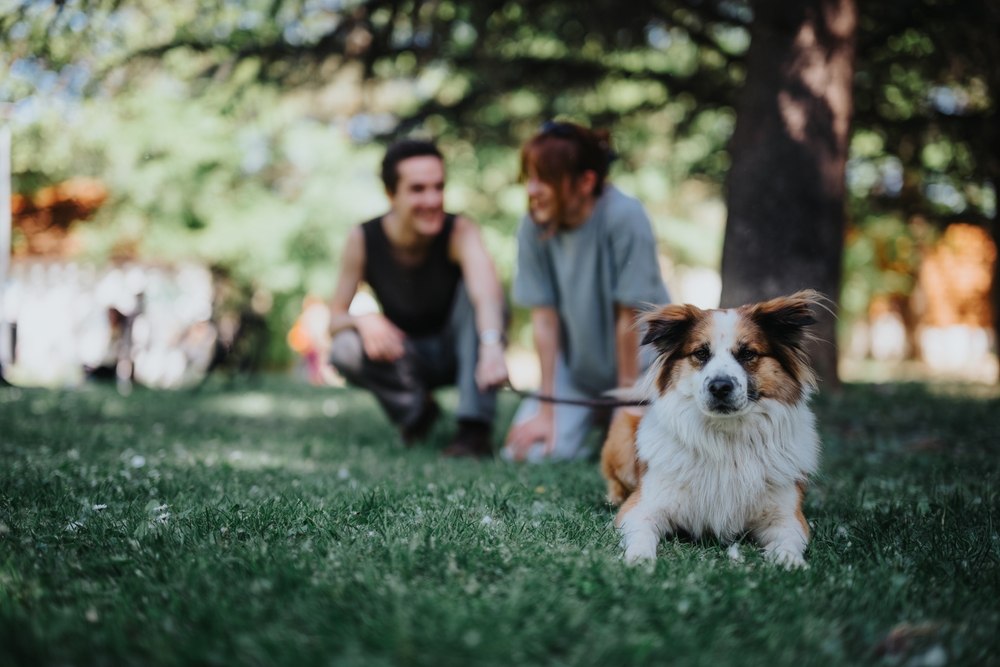
Are there leash laws in Texas? Texas does not have a statewide leash law. Instead, each city or county creates its own animal control ordinances. This means the leash requirements in Fort Worth, Dallas, or Houston may differ. However, most municipalities enforce similar standards to promote safety and prevent dog bite incidents.
Because specific requirements can vary, it is important to check the local ordinances for the city or county where you live. Generally, Texas municipalities enforce these common principles:
Understanding your local ordinance helps ensure compliance and minimizes the risk of legal issues if an injury occurs.
No Fees Unless We Win
Most Texas cities require dog owners to keep their pets under physical control in public areas to prevent attacks and accidents. Owners can be held liable if an unrestrained dog injures someone, even unintentionally. For example, a pedestrian who falls while avoiding a loose dog may still file a dog bite or negligence claim.
Repeated leash law violations can also increase penalties or affect liability in court. Keeping your dog properly restrained helps protect others and preserves your legal rights in the event of an incident
Most Texas cities use a similar definition of “running at large.” According to the City of Tool, Texas Code of Ordinances, an animal is considered to be running at large when it is not under the direct physical control of its owner or keeper on public or private property. This is the basis for local enforcement.
When a dog is found roaming, animal control officers may issue a citation, impound the dog, or impose a fine. Owners are typically presumed responsible for allowing the dog to roam freely, even if it happens accidentally. Any dog that injures a person while at large can trigger civil liability under Texas law.
Beyond city citations, an unrestrained animal can lead to negligence or strict liability claims if a bite occurs. Documenting that a dog was at large helps prove fault and recover damages for victims.
Texas law also establishes criminal penalties for owners who knowingly allow dangerous or aggressive dogs to roam. Under Texas Health & Safety Code Section 822.012 , a person who permits a dog or coyote known to harm livestock or domestic animals to run at large may be fined up to $100 per violation. Each instance counts as a separate offense.
Leash law violations can significantly impact dog bite cases. When a victim can prove an ordinance violation, this establishes negligence per se, simplifying the process of showing that the owner breached a legal duty. A citation from animal control serves as concrete evidence that the owner failed to prevent harm.
Some municipalities escalate penalties for repeat offenders, while others mandate safety measures such as fencing, muzzling, or training programs. These penalties underscore the importance of compliance and proper supervision.
No Fees Unless We Win
Are there leash laws in Texas? Understanding local rules and penalties can make a major difference in how liability is determined. At Anderson, Cummings & Drawhorn, LLP, we help Texas residents navigate dog bite cases and local leash law issues. Our team understands how cities interpret “running at large” and works to protect victims and responsible pet owners alike. Call (817) 920-9000 or contact us online for a free consultation.
As a Fort Worth native and a double-Board Certified trial lawyer, John Cummings is dedicated to fighting for the rights of the injured. With a track record that includes record-setting verdicts and multi-million dollar settlements, he is an aggressive advocate who isn’t afraid to take on tough cases.


This page has been written, edited, and reviewed by a team of legal writers following our comprehensive guidelines. This page was approved by attorney Seth Anderson, whose team has more than 50 years of combined legal experience in helping victims of personal injury seek justice.

After a Fort Worth oilfield accident, you may be able to sue the contractor, the operator, or another company. Still, liability depends on who controlled the work, who created the dangerous condition, and whose conduct caused your injury. At Anderson, Cummings & Drawhorn, we know how complex oilfield accidents can...
Read Article
Grocery store slip and fall accidents are more serious than people think because they can cause serious injuries that may seem negligible at first. A sudden fall onto a hard floor can damage your head, spine, hips, joints, and other parts of your body, even when the fall initially looks...
Read Article
Multi-vehicle highway accidents in Fort Worth can cause serious injuries such as traumatic brain injuries, broken bones, spinal injuries, internal injuries, and severe soft tissue damage. You can be struck more than once as vehicles collide, increasing the force placed on the body. These crashes can occur on major highways...
Read ArticleTell us about your accident and your injuries. An injury lawyer from our team will call and provide you with a free evaluation of your case. If we can help, and you are unable to travel, we will come to your home, office, or hospital. It’s easy – let’s get started.

Email us anytime and we will get back to you.

Our attorneys will come to your home, office or hospital at your convenience.

Our team is ready and waiting to help you today.
 Call Us At (817) 920-9000