Message Us
 Call Us
 Is Hitting A Deer Considered An Accident
By Anderson, Cummings & Drawhorn, LLP on August 15, 2025
By Anderson, Cummings & Drawhorn, LLP on August 15, 2025
In Texas, where wildlife crossings are common on rural and suburban roads, drivers often ask: Is hitting a deer considered an accident? Yes—insurance companies generally classify it as an accident, though not in the traditional fault-based sense. Deer-related crashes fall under “wildlife-vehicle collisions,” and because they are unexpected and typically unavoidable, they are usually covered by comprehensive insurance. This form of coverage applies to incidents outside your control, including contact with animals.
Table of Contents
At Anderson, Cummings & Drawhorn, LLP, we understand how frustrating and unclear these situations can be. That’s why we’ve built this guide to help you navigate your legal and insurance options after a deer-related crash in Texas.
No Fees Unless We Win
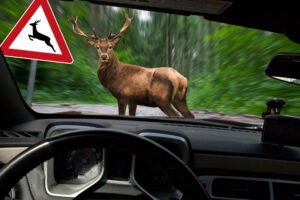
One of the most common misconceptions about deer collisions is the idea of “fault.” Unlike typical car accidents involving two drivers, when wildlife causes a crash, there is usually no human at fault. Texas law generally does not assign blame to a driver who strikes a deer, provided the driver was acting responsibly and following traffic laws.
Key points to understand about fault in deer-related crashes:
While striking a deer directly usually doesn’t involve legal fault, surrounding events may still affect how insurance companies and courts assess responsibility and compensation.
Coverage for deer-related accidents depends entirely on the specifics of your auto insurance policy. Here’s what Texas drivers should know:
According to the Texas Department of Insurance, comprehensive coverage is a safeguard against wildlife-related damage. If you’re unsure about your coverage, speak with your insurance provider, especially before peak deer season.
Many drivers struggle to understand the difference between comprehensive and collision coverage, especially when wildlife is involved. Here’s how they break down in deer-related accidents:
Key distinctions to remember:
Knowing which coverage applies in various wildlife crash scenarios can significantly affect whether your claim is approved and how quickly it’s processed. We always advise reviewing your policy with a legal or insurance professional to avoid surprises when the unexpected occurs.
It’s easy to panic after a crash involving wildlife, but your actions in the following minutes can significantly impact your claim. Here are some common mistakes drivers make:
By avoiding these errors, you give yourself the best chance at receiving the coverage and support you need.
Don’t face big insurance companies alone. Our award-winning lawyers have recovered over $100 million for clients just like you. We’re ready to put our 50+ years of combined experience to work, fighting for the compensation you deserve.
Texas roads, especially in wooded, rural, or open-field areas, are known for unexpected wildlife crossings. If you strike a deer while driving, taking the proper steps immediately can make a significant difference in both your physical safety and the outcome of any potential claim. Here’s what you should do:
These actions help safeguard your health, preserve key evidence, and position you for a smoother legal or insurance process.
Dealing with the consequences of a deer-related crash in Texas can quickly become overwhelming, especially when you’re facing costly repairs, unclear policy language, or an unresponsive insurance provider. Before engaging with your insurance company, it’s often beneficial to speak with a lawyer who can assess your case and help guide you through the process. An attorney can help you:
Some insurers may be hesitant to approve deer collision claims, particularly if the animal wasn’t physically struck or if your coverage is limited. Detailed records and a strong legal strategy can make a significant difference.
If your policy includes a deductible, be prepared to pay it before coverage takes effect. Additionally, many policies contain exclusions or conditions for animal-related incidents—another reason why early legal guidance can protect your interests.
While many deer-related accidents are resolved through an insurance claim, some situations call for legal support to protect your interests and ensure fair treatment. A personal injury lawyer can help you pursue compensation beyond what insurance may offer, especially when you:
Legal guidance is critical when conflicting accounts or evidence exist, especially in crashes involving multiple vehicles. At Anderson, Cummings & Drawhorn, LLP, we investigate your case, handle communications with insurers, and pursue legal action if necessary.
When your recovery and financial stability are at stake, having experienced legal advocates on your side can make all the difference.
Is hitting a deer considered an accident, and how could it affect your finances or driving record? We’re here to provide clear answers and personalized legal guidance. Call Anderson, Cummings & Drawhorn, LLP today at 817-920-9000 to speak with a Texas car accident attorney who understands what you’re going through.
As a Fort Worth native and a double-Board Certified trial lawyer, John Cummings is dedicated to fighting for the rights of the injured. With a track record that includes record-setting verdicts and multi-million dollar settlements, he is an aggressive advocate who isn’t afraid to take on tough cases.


This page has been written, edited, and reviewed by a team of legal writers following our comprehensive guidelines. This page was approved by attorney Seth Anderson, whose team has more than 50 years of combined legal experience in helping victims of personal injury seek justice.

After a Fort Worth oilfield accident, you may be able to sue the contractor, the operator, or another company. Still, liability depends on who controlled the work, who created the dangerous condition, and whose conduct caused your injury. At Anderson, Cummings & Drawhorn, we know how complex oilfield accidents can...
Read Article
Grocery store slip and fall accidents are more serious than people think because they can cause serious injuries that may seem negligible at first. A sudden fall onto a hard floor can damage your head, spine, hips, joints, and other parts of your body, even when the fall initially looks...
Read Article
Multi-vehicle highway accidents in Fort Worth can cause serious injuries such as traumatic brain injuries, broken bones, spinal injuries, internal injuries, and severe soft tissue damage. You can be struck more than once as vehicles collide, increasing the force placed on the body. These crashes can occur on major highways...
Read ArticleTell us about your accident and your injuries. An injury lawyer from our team will call and provide you with a free evaluation of your case. If we can help, and you are unable to travel, we will come to your home, office, or hospital. It’s easy – let’s get started.

Email us anytime and we will get back to you.

Our attorneys will come to your home, office or hospital at your convenience.

Our team is ready and waiting to help you today.
 Call Us At (817) 920-9000
 Call Us At (817) 920-9000