Message Us
 Call Us
 How Far Do You Have to Be From a Fire Hydrant?
By Anderson, Cummings & Drawhorn, LLP on May 13, 2025
By Anderson, Cummings & Drawhorn, LLP on May 13, 2025
Ever wondered how far you have to be from a fire hydrant —and why it matters beyond just avoiding a ticket? Parking too close to a fire hydrant is more than a minor infraction—it can impact your ability to recover compensation after a car accident and even affect how fault is assigned under Texas law. At Anderson, Cummings & Drawhorn, LLP, we’ve seen how traffic violations, even those that seem insignificant, can become critical evidence in a personal injury claim. Parking violations—even unintentional ones—can influence how an accident claim plays out, particularly when insurance companies are looking to minimize payouts or deny liability. Parking too close doesn’t just risk a citation—it can complicate your entire legal position and make recovering damages far more difficult than expected.
Table of Contents
Texas law requires drivers to leave a clear buffer zone around fire hydrants—specifically, at least 15 feet. This spacing ensures emergency crews have immediate access in case of a fire. Whether you’re in a residential area or parked along a commercial curb, violating this rule can lead to penalties and, in some cases, legal complications after an accident. What may seem like a minor parking choice at the moment could result in consequences far beyond a simple citation.
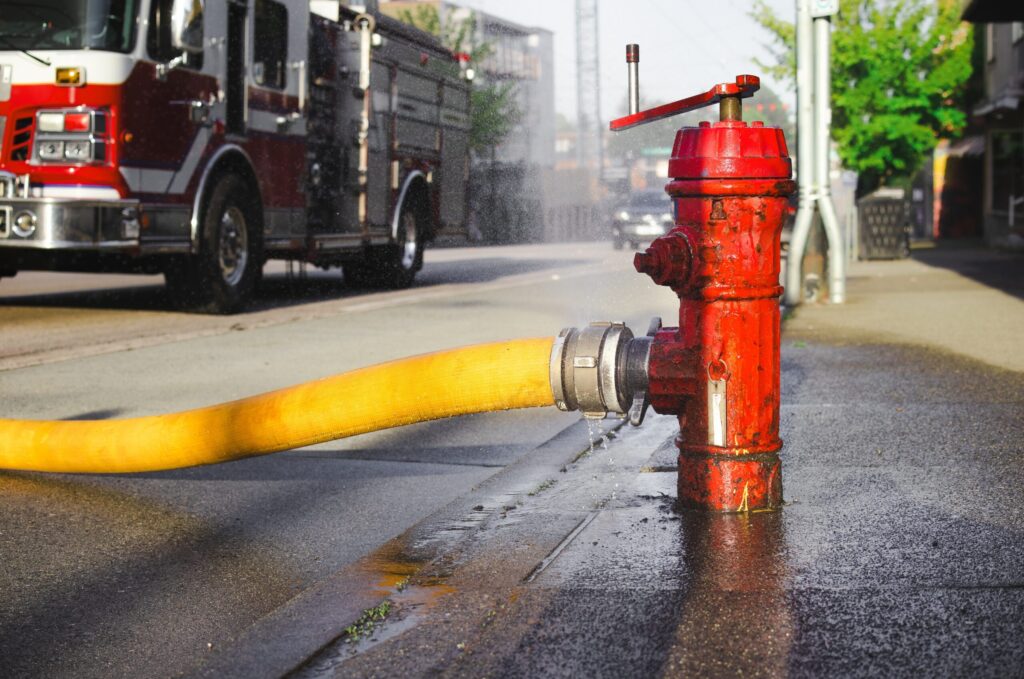
The statute governing this restriction is Texas Transportation Code Section 545.302(b)(1), which prohibits stopping, standing, or parking too close to a hydrant. This applies even if the driver remains inside the vehicle. In an emergency, lost seconds can mean lost property—or worse.
Parking in this zone doesn’t just raise the risk of a fine—it may increase your liability in the event of a nearby crash or emergency situation.
Yes, Texas law allows for a few limited exceptions. For example, if you’re briefly stopping to pick up or drop off a passenger, you’re not in violation of the law—so long as you don’t obstruct emergency access.
Another clear exception is for fire trucks or emergency vehicles responding to a fire. These vehicles are permitted to stop directly next to a hydrant for immediate use.
There are additional technical exceptions as well. For instance, you may not be cited if you stop to comply with a traffic signal, obey a law enforcement officer’s direction, or follow instructions from a construction flagger.
In some very specific situations, exemptions are granted by local ordinance. According to Texas Transportation Code 545.302(e), municipalities may allow certain emergency responders—such as elevator constructors responding to emergencies—to park closer than the standard limits.
That said, these exceptions are narrow and rarely apply to everyday drivers.
Parking regulations exist to protect public safety—especially when it comes to emergency infrastructure like fire hydrants. What may seem like a convenient spot could delay fire crews and put nearby homes or vehicles at serious risk during an emergency.
Parking too close to a fire hydrant creates both safety hazards and legal consequences. Firefighters require immediate, unobstructed access to hydrants to save lives and limit property damage. A few extra feet can make all the difference in response time during a residential or vehicle fire—especially in densely populated neighborhoods or areas with limited access.
From a legal perspective, improper parking—even if accidental—can affect liability in a crash. If your car is struck while parked illegally, that violation could be used to assign partial fault. Under Texas’ modified comparative fault law, this may reduce your compensation—or prevent recovery entirely if you’re found more than 50% at fault.
Insurance providers may also consider such violations when evaluating your claim, potentially affecting outcomes, delaying compensation, or increasing future premium rates.
Even small traffic violations like this can result in unexpected legal and financial consequences—especially if you’re involved in a car accident and seeking compensation for your damages.
Were you involved in a crash where fault is in question or a parking violation—like parking too close to a fire hydrant —may be involved? Knowing how far you have to be from a fire hydrant in Texas can make a difference in your case. At Anderson, Cummings & Drawhorn, LLP, we have decades of experience handling complex car accident claims across Texas and are ready to fight for the compensation you deserve.
If you are in Dallas, Fort Worth or Arlington, our car accident lawyers are ready to help. Call (817) 920-9000 or fill out our Free Case Evaluation form now.

This page has been written, edited, and reviewed by a team of legal writers following our comprehensive guidelines. This page was approved by attorney Seth Anderson, whose team has more than 50 years of combined legal experience in helping victims of personal injury seek justice.

After a Fort Worth oilfield accident, you may be able to sue the contractor, the operator, or another company. Still, liability depends on who controlled the work, who created the dangerous condition, and whose conduct caused your injury. At Anderson, Cummings & Drawhorn, we know how complex oilfield accidents can...
Read Article
Grocery store slip and fall accidents are more serious than people think because they can cause serious injuries that may seem negligible at first. A sudden fall onto a hard floor can damage your head, spine, hips, joints, and other parts of your body, even when the fall initially looks...
Read Article
Multi-vehicle highway accidents in Fort Worth can cause serious injuries such as traumatic brain injuries, broken bones, spinal injuries, internal injuries, and severe soft tissue damage. You can be struck more than once as vehicles collide, increasing the force placed on the body. These crashes can occur on major highways...
Read ArticleTell us about your accident and your injuries. An injury lawyer from our team will call and provide you with a free evaluation of your case. If we can help, and you are unable to travel, we will come to your home, office, or hospital. It’s easy – let’s get started.

Email us anytime and we will get back to you.

Our attorneys will come to your home, office or hospital at your convenience.

Our team is ready and waiting to help you today.