Message Us
 Call Us
 Avoid a Winter Fort Worth Car Crash – Top Tips To Keep You Safer
By Anderson, Cummings & Drawhorn, LLP on December 08, 2023
By Anderson, Cummings & Drawhorn, LLP on December 08, 2023
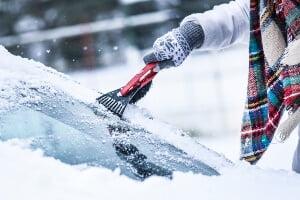
Winter months bring colder temperatures and unpredictable weather to Fort Worth, Texas. During these months, road conditions may be slick, which can significantly increase the risk of car crashes.
Table of Contents
The legal team at Anderson, Cummings & Drawhorn, LLP shares some practical but vital tips to help drivers navigate highways and other roads during winter more safely. While accidents can happen, following these guidelines could greatly reduce your chances of being involved in a winter car crash.
If you get injured in a crash due to another driver’s negligence, our Fort Worth auto accident lawyers are prepared to help you recover compensation for your damages.
Request a Free Case Review Today: (817) 920-9000
Fort Worth does not have extremely harsh winters like some northern states, but even milder winter conditions can create hazardous driving situations. For instance, you might encounter unexpected icy patches or black ice. During winter, decreased visibility due to an earlier nightfall is also a problem. Winter road conditions can very quickly turn into danger zones.
Driving safely in winter begins with taking some simple but key steps, which include the following:
The last thing you want is to get stranded in winter because you failed to maintain your vehicle. As temperatures drop, many mechanical auto parts may fail if not properly serviced.
Maintaining your vehicle and making sure it is ready for winter means:
Drivers owe a duty of care to others, and maintaining your vehicle is part of that legal responsibility. If you fail to maintain your vehicle, you could liable for damages if a crash occurs as a result.
Avoid going out in severe winter weather whenever possible. If you must go out, be sure to check which roads have already been cleared. Primary roads, such as major highways, are typically cleared before any secondary roads. Check local news channels, traffic apps, or social media updates from the Fort Worth Transportation Department. If there are crashes on your planned route, try to avoid the area.
When driving in bad winter weather, be sure to do the following:
Speeding is a leading cause of accidents year-round, and it is even more dangerous in winter. Slow down to give you more time to react to unexpected situations. You should also increase your following distance from the car ahead of you to give you a better chance to stop safely if you encounter slick roads.
Abrupt turns, hard braking, or rapid acceleration are all movements that could cause you to lose control of your vehicle, especially on icy, wet or slippery surfaces. Taking your time and doing gentle maneuvers are your best bet for maintaining control of your vehicle.
If your vehicle starts to skid, remain calm. Keep both hands on the wheel and steer in the direction you want the front of the car to go. Do not slam on the brakes as this can exacerbate the skid and cause you to lose control.
This tip is key. Drivers who do not leave enough time may increase their risk of crashing by speeding on bad winter roads. Before heading out, make a habit of checking the weather and traffic reports. Plan your route accordingly and allow extra time for your journey. Rushing in bad weather increases your risk of an accident.
Always give snowplows and maintenance vehicles plenty of room. They are there to make the roads safer, but they need space to work effectively.
Creating a well-equipped winter vehicle emergency kit is crucial for staying safe during the colder months, especially in areas prone to severe weather conditions. Here is a comprehensive list of items to include in your kit:
Remember, the goal of a winter vehicle emergency kit is to keep you safe and comfortable should you become stranded. It is also intended to help you deal with common winter driving issues. Tailor your kit to your specific travel needs and local winter weather conditions.
Distracted driving is dangerous any time of year, but especially in winter. Stay focused on the road, watching other vehicles and for areas, like bridges and overpasses, that may have black ice, since these areas tend to freeze first.
Keep your phone within reach in case you need to pull over and call because of an emergency.
Sometimes, the safest decision is not to drive at all. If the weather is particularly bad, consider calling out of work or postponing your trip if possible.
Despite your best efforts, accidents can still happen. In that situation, it is important to seek legal help as soon after a crash as possible.
At Anderson, Cummings & Drawhorn, LLP, we have been helping injured victims in Fort Worth for decades. Our legal team has extensive knowledge of state laws and a history of proven results.
Not sure if you have a case? We offer a free initial consultation to determine your potential legal options. There is no obligation and no upfront costs or fees if we represent you. We only get paid if you do.
Experienced Lawyers. Working for you. (817) 920-9000

This page has been written, edited, and reviewed by a team of legal writers following our comprehensive guidelines. This page was approved by attorney Seth Anderson, whose team has more than 50 years of combined legal experience in helping victims of personal injury seek justice.

After a Fort Worth oilfield accident, you may be able to sue the contractor, the operator, or another company. Still, liability depends on who controlled the work, who created the dangerous condition, and whose conduct caused your injury. At Anderson, Cummings & Drawhorn, we know how complex oilfield accidents can...
Read Article
Grocery store slip and fall accidents are more serious than people think because they can cause serious injuries that may seem negligible at first. A sudden fall onto a hard floor can damage your head, spine, hips, joints, and other parts of your body, even when the fall initially looks...
Read Article
Multi-vehicle highway accidents in Fort Worth can cause serious injuries such as traumatic brain injuries, broken bones, spinal injuries, internal injuries, and severe soft tissue damage. You can be struck more than once as vehicles collide, increasing the force placed on the body. These crashes can occur on major highways...
Read ArticleTell us about your accident and your injuries. An injury lawyer from our team will call and provide you with a free evaluation of your case. If we can help, and you are unable to travel, we will come to your home, office, or hospital. It’s easy – let’s get started.

Email us anytime and we will get back to you.

Our attorneys will come to your home, office or hospital at your convenience.

Our team is ready and waiting to help you today.